

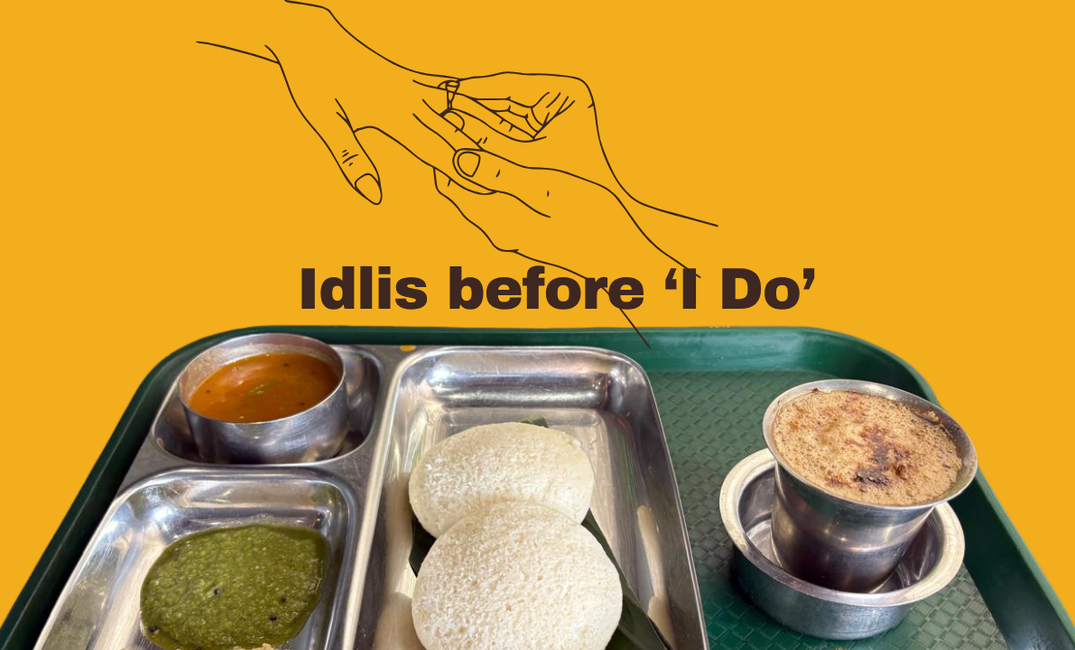
The four bags sat around me like sulky children, daring me to move them. They knew I wasn’t an organised packer. They’d seen the way I’d stuffed them last night, chargers tangled with earrings, books pressed up against a packet of Maggi for lack of space. They were heavy in a way that felt personal, as if they were holding a grudge.
I was outside the airport’s arrival gate, at one of those open-air cafés that always smell faintly of burnt coffee and taxi exhaust. Six hours to go before my flight. Six hours with nothing but these bags, my breakfast, and the relentless theatre of my own thoughts.
I’d ordered idlis and coffee, comfort food that didn’t care about my baggage, literal or otherwise. The idlis arrived steaming, the coffee in a thin paper cup that looked like it might give up any second.
Airports are funny places. Inside, everyone’s in transit. Outside, it’s all arrivals, people waiting with eager faces, handwritten placards, sometimes just flowers clutched awkwardly in one hand. I’ve always thought it’s one of the most loving things you can do for someone: to show up and wait for them. My arrivals have always been solitary; no placards, no waving hands, just me.
When I left my small town for Delhi at eighteen, I thought I was going to study Anthropology; I didn’t realise I was also enrolling in a lifetime course on solitude. They taught us to observe, to really look, until strangers unfolded like stories in front of us.
The way couples hold hands, the way friends split bags between them, the way families somehow pass around snacks without saying a word. My first job after college meant travelling to rural India all the time, which was its own kind of logistical nightmare. And yes, I can do it all, navigate buses, trains, and the occasional questionable taxi drivers, but the truth is, travelling still makes me anxious. Airports especially. One of the worst days of my life happened at one, and now every time I’m here, I have to talk myself out of spiralling.
So, I watch people instead. It keeps my thoughts busy.
That’s when I saw her. She was maybe twenty-five, twenty-six. Salwar suit, glass bangles, hair neatly pinned. Standing off to the side, waiting. And then he appeared, her husband, I guessed, coming towards her with four bags, all to himself.
Envy has a way of showing up without knocking. It’s not loud, it doesn’t scream, but it settles in, rearranges the furniture of your thoughts. Suddenly, I was thinking of all the times she’d probably had someone with her. Someone to panic with when she left her phone on the bus. Someone to pull her gently out of the wrong airline queue before she embarrassed herself at the counter. Someone to share the sheer weight of existence, not just the luggage.
Then she said it, lightly, as if asking for nothing: “Idli khabo?” Shall we eat idlis?
His reply was fast, automatic, and mildly irritated.
“Bari giye khabo.” We’ll eat at home.
And that was the moment.
Something in me loosened. The envy evaporated like steam from my plate. Because here I was, sitting alone, yes, with my fortress of misbehaving luggage, yes, fighting my own invisible earthquakes, but eating my idlis anyway.
I didn’t have to negotiate my breakfast with anyone. Didn’t have to postpone my cravings until they were convenient for someone else. Didn’t have to wait to be fed when I could feed myself.
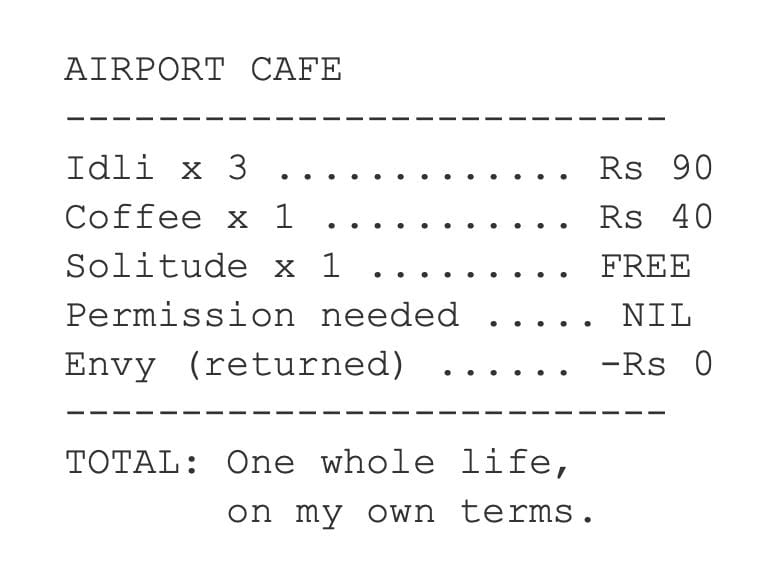
In that moment, the equation was simple. Husband: zero idlis. Me: three idlis, one coffee, and my own company.
I speared another idli with my plastic spoon and smiled at the absurd, liberating truth of it.
In any life, in any century, in any parallel universe, they could keep the husbands.
I would always, always choose the idli.
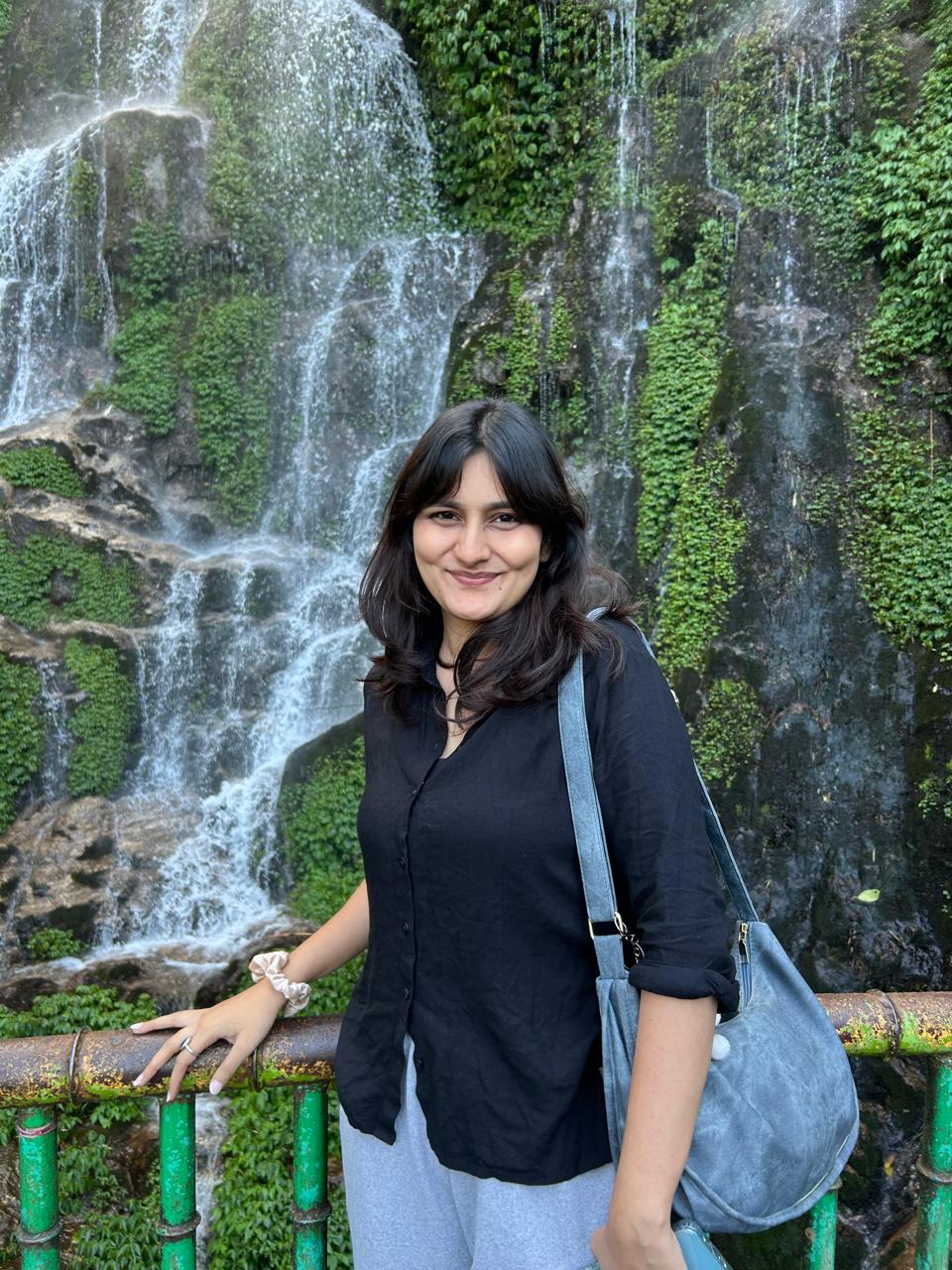
About the author: Ishani Dubey is a 23-year-old strategy consultant who co-founded an NGO, ran election campaigns, and has a running tab of the world's injustices that she fully intends to settle. A Hansraj alumna who wakes up, scrapes her head on the day's headlines, and cannot stop writing, speaking, arguing, drafting, repeating, until something shifts or the deadline hits, whichever comes first. Her work lives at the intersection of gender, power, and public life, which is a polite way of saying she is always furious. A raging feminist who takes the news personally, because she has decided that is the only honest way to take it.
Support the author :
We're an independent magazine that is finding its footing, and here's how you can help- Shatter the illusion of capitalism with one contribution at a time and consider supporting this writer who made you laugh/cry directly:ishanidubey25@okicici
Comments