

Every year, my cultured, fashion-forward friends wait for May to arrive so that, in our little echo chambers, they can rate all Met Gala outfits. It is frivolous, fun, frothy, and extremely educational for someone who only consumes fashion through the lens of her fabulous friends.
A raging implication that the fashion girlies are often burdened with is that “Fashion isn’t that serious”, knowing the difference from cerulean to ultra marine or Chanel to Prada doesn’t make you an expert on anything a smart person would take seriously, however time and again its the fashion community around me that’s always teaching me what every person should be taking seriously, without the interjection of Miranda Priestly telling us that how anything related to fashion doesn’t exempt the normal, “serious” bystander. Nothing, nowhere ever happens in isolation.
However, this year, the Met Gala itself has nothing to do with fashion and everything to do with how money can and will buy tastelessness.Jeff Bezos (CEO of Amazon) has given $10 Million to sponsor this year's MET, where ironically the theme is “art is fashion.” I will explain the absurdity of this sentence in a minute, but before that, let's talk a little about billionaires' new obsession… Taste Washing.
As put by a creator Var Aunevik: Taste-washing, coined by The New Yorker, is a term that describes AI tech CEOs trying to align themselves with culture and fashion to seem cool because everything they stand for isn't cool, The ethos of their companies threatening the livelihoods of the working class , our future and our privacy, so this need to be synonymous to aesthetic and human creation and curation is their sly way to make us forget that what billionaires really stand for.Last year, the Met Gala was all the west having the nerve to not recognize SRK and Cartier's audacity to not lend Diljit Dosanjh a royal necklace that belonged to his people, our people. Even though Emma Chamberlain had no problem wearing the same necklace in 2022 Met Gala.
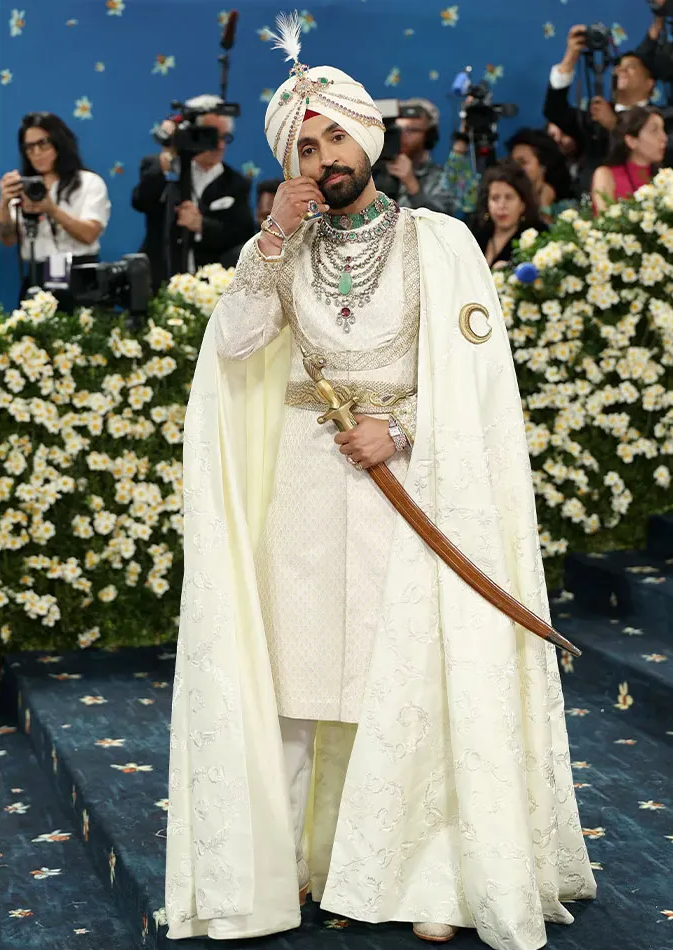
The internet was debating how seriously we should take Western circuses like the Met Gala seriously at this point, when they continue to make our people feel like outsiders. The continued conversation of the colonial hangover was all the rage in 2025.
Flash forward to June of 2025, when Prada debuted "toe-braided" sandals at Milan Fashion Week that were immediately recognized as replicas of traditional Kolhapuri chappals. Im not saying the girls I follow in the fashion and culture space are time travelers but every little ounce of the “stop colonizing our fashion only to rename, shape and reclaim it as your own” could be found in the conversation pieces that were going around in the June of 2024, all the think pieces of 2025 going back to the thoughts my girls had in a whole year ago during the controversy of Scandinavian scarfs or what we natives call it a fucking dupatta.
This is all in the span of the last few years. While all of this rhetoric circles back from conversation to content and then eventual profit for most of the fashion world; I.e Cartier goes on to give Nur Jahan necklace this year to Margot Robbie where once again she butchered the history and meaning of that necklace in her press tour for withering heights, Prada apologizes and launches Kohlapuri Chappals in India for $930 and we all go back to work having the same thoughts and notions on white ignorance and how the only way to have south asians in this rooms is through the misrepresented aesthetic that a white body or business can make bank on.
This constant question of who we are on the global stage is an important question for literally any other Met Gala, in this one, however, where money is the centerpiece and the theme is let's them eat cake while we discuss art and fashion. I would like to believe that we have found the answer to who is actually fit to represent India at the Jeff Bezos ball of everything ugly and tasteless.
Unlike every other year where I wake up with hilarious takes and memes on Met Gala, this year I woke up with the only valid take by my favorite fashion-forward, brilliant friend:
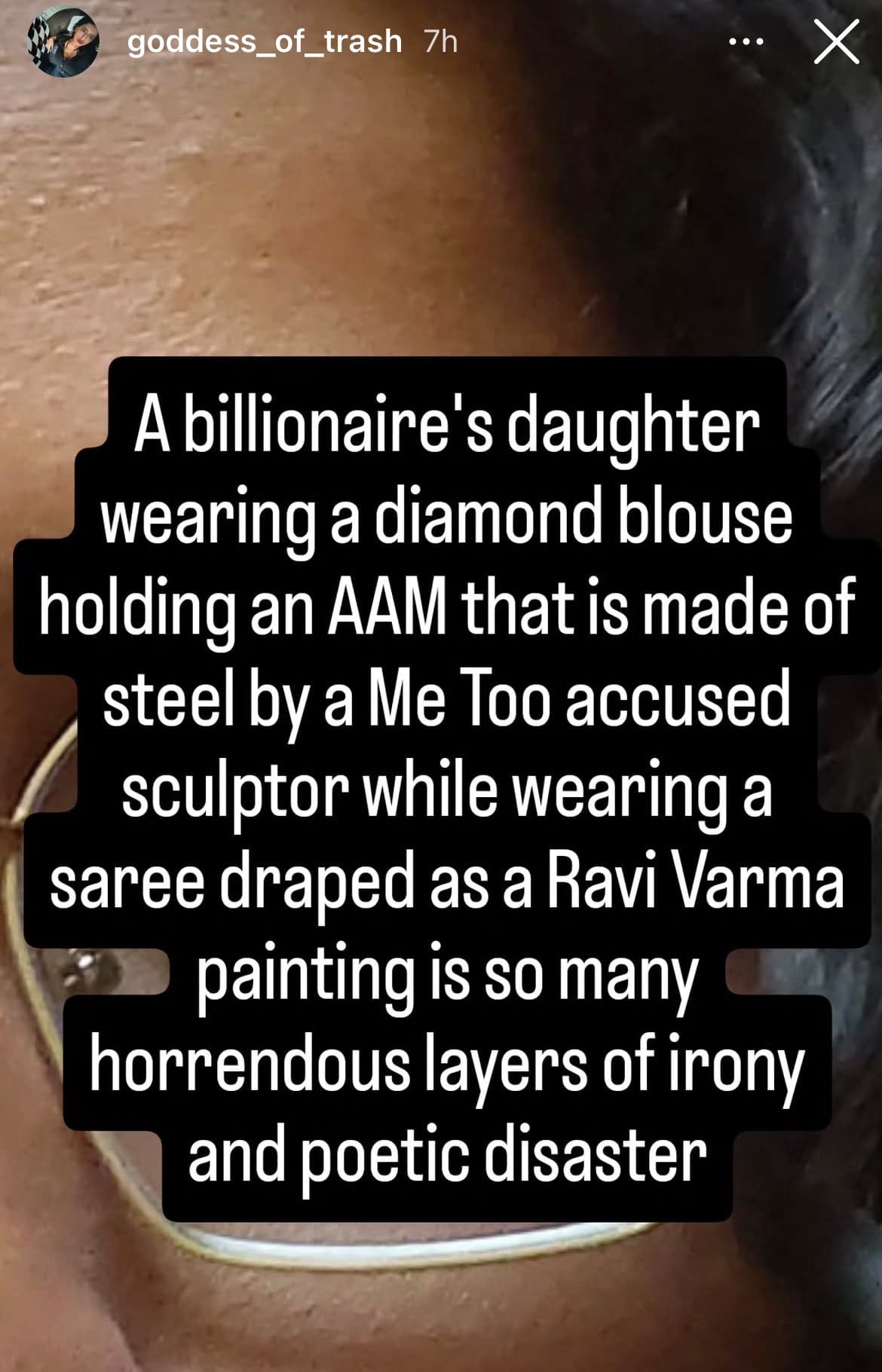
Lets put this into perspective, a tech billionaire who makes his workers pee in bottles so that they don’t take bathroom breaks and has been in every direct violation with the labour union, who has bought Conde Nast for his wife and sent Katy Perry to space to cover the colonization of space through girl power has spent 10 million to let us know that Jeff and his beloved wife know fashion and are in fact integral to the culture as tastemakers. Who is best to portray the worst of our country than the daughter of an oligarch?
She wore a saree woven with pure gold threads and adorned with over 1,800 carats of diamonds, emeralds, polki, and kundan, including jewelry from the Nizam of Hyderabad (which was gleefully told by her, is something that now belongs to her mom). Ambanis are the best friends to a government that has pushed the muslim minority into a dangerous scapegoat for vote banks. The final touch of her outfit is a sculpture of a Mango made by a MeToo-accused artist, Subodh Gupta. In the same reel, Isha gushes about her twins at the hotel, the same daughter whose father built Antilla (their family home) illegally on the land of an orphanage.
When I reposted this story, a friend pointed out that she doesn’t remember Subodh Gupta being MeTooed for reasons being our collective memory for accused sexual predators is somehow less than our tolerance for women who speak out against these predators.
The other billionaires include Sudha Reddy, Karan Johar, Manish Malhotra, the royal family of Jaipur, and basically the Who's Who of how art can be performative as well as tone deaf. The glittering difference between how Americans are perceiving this Met Gala and how we are swallowing it is also what every fashion girlie around me had already warned us about.
George Bernard Shaw once said about America: While the American constitution was set up to prevent political dictatorship, in doing so, they’ve established a society where every ward boss is a dictator, every financier is a dictator, every private employer a dictator, all with the livelihood of the workers at their mercy. Shaw, of course, wrote this in the 19th century, heavily underestimating the potential love affair America will go on to have with the tenets of dictatorship. Now that their office also has a dictator, there is nothing stopping the ward bosses, private financiers, and private employees from taking absolute control of the livelihoods of workers who already live paycheck to paycheck. Not very different from our country, right?
However, whatever is left of media and thinkers in America, they are and have been calling out billionaires' obsession to be relevant to culture and fashion ever since Lauren Sanchez started taking over Vogue like a STI United Nations would have to do 10-year-long awareness campaigns for.The West, however reprehensible they are, in the ignorance of south asian culture, are calling Sanchez what she is, while our country's fashion pages, influencers, and media have crowned Isha Ambani the future and present of global fashion.Money can buy it all. It has finally taken taste, culture, and conversation out of an event like the Met Gala and turned it into a shining example of what's wrong with billionaires and why we don’t need them.
The week leading up to this event, New York City saw city-wide protests, another Met Gala being hosted for and by the labour workers, while you and I in India woke up to the Indian internet telling us how Ravi Raj Verma's legacy is being represented by people who use art and fashion to wash away all the blood of their diamonds on events like these.
Circling back to the seriousness of my fashion girlies, who have been weary of what India becoming a global fashion capital means, it never is about the art, culture or artisans, it really is about who can buy the biggest table and wear the brightest diamonds and make fashion about excess instead of what I have been taught its been… people, stories, best parts of our tradition, inherent elegance that comes from being curious about the world and engaging with it through colors, patterns, and community.
Lastly, I am in no shape or form an authority on fashion so I'm not telling you who should represent it when the world order is correct, I am however arguing that in the current world order where money has bought its way into aesthetics and culture, the people representing us on a global stage is exactly who we deserve, and we should all be really worried about it. I know the girls in fashion are.
The category is... They did not understand the assignment
Just because I missed out on the frothy, frivolous and fabulous fashion takes this year doesn't mean you have to, here are thoughts from the fashion authority Llavi Tyagi rating all the horrid looks from India on the Met Gala 2026.
- Manish Malhotra
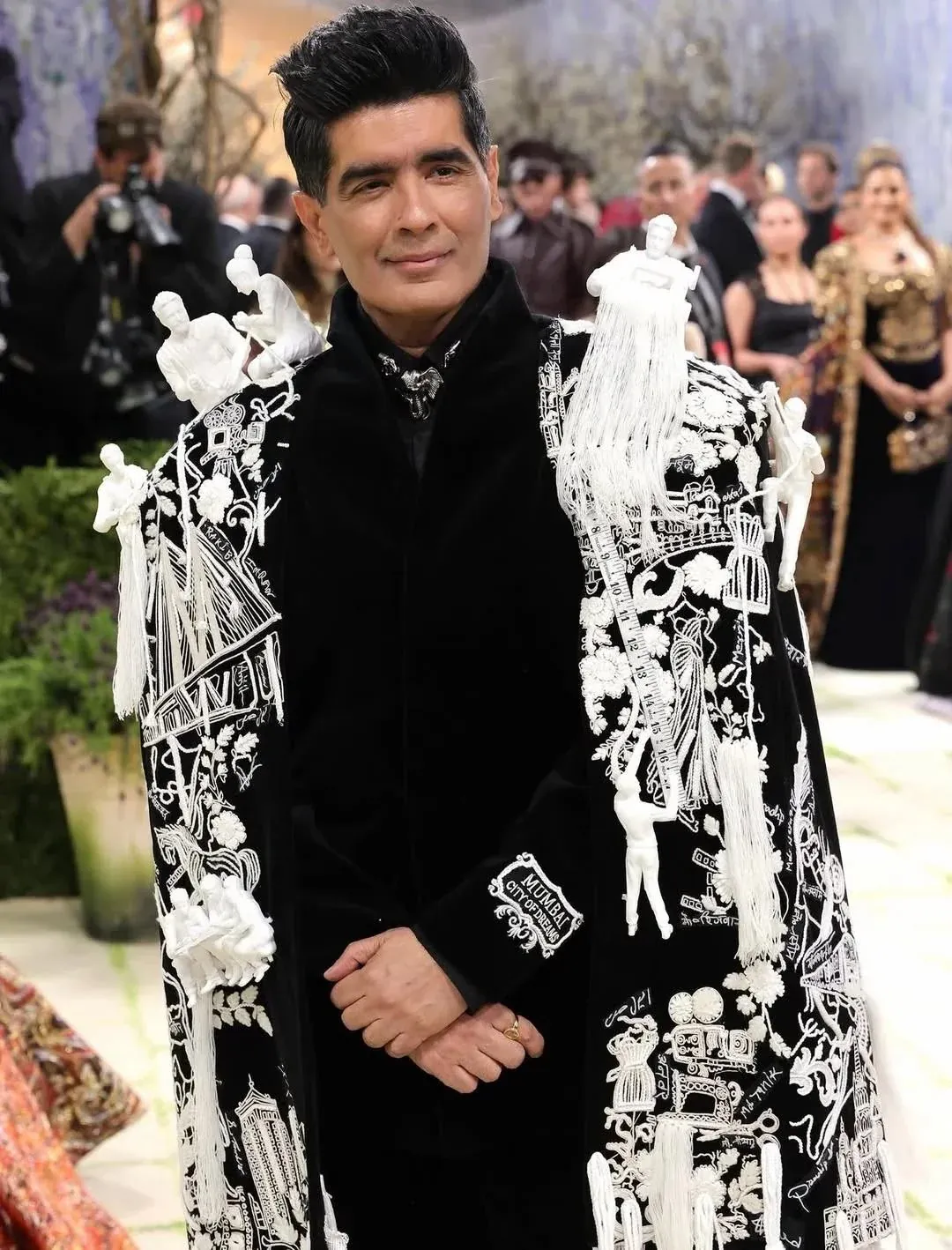
The concept of putting your artisans, karigars, and designers has been done before and better, just making an existing idea 3D doesn't make it groundbreaking. While we’re at it, I would like this man to name his favorite top five artisans.
2.Karan Johar
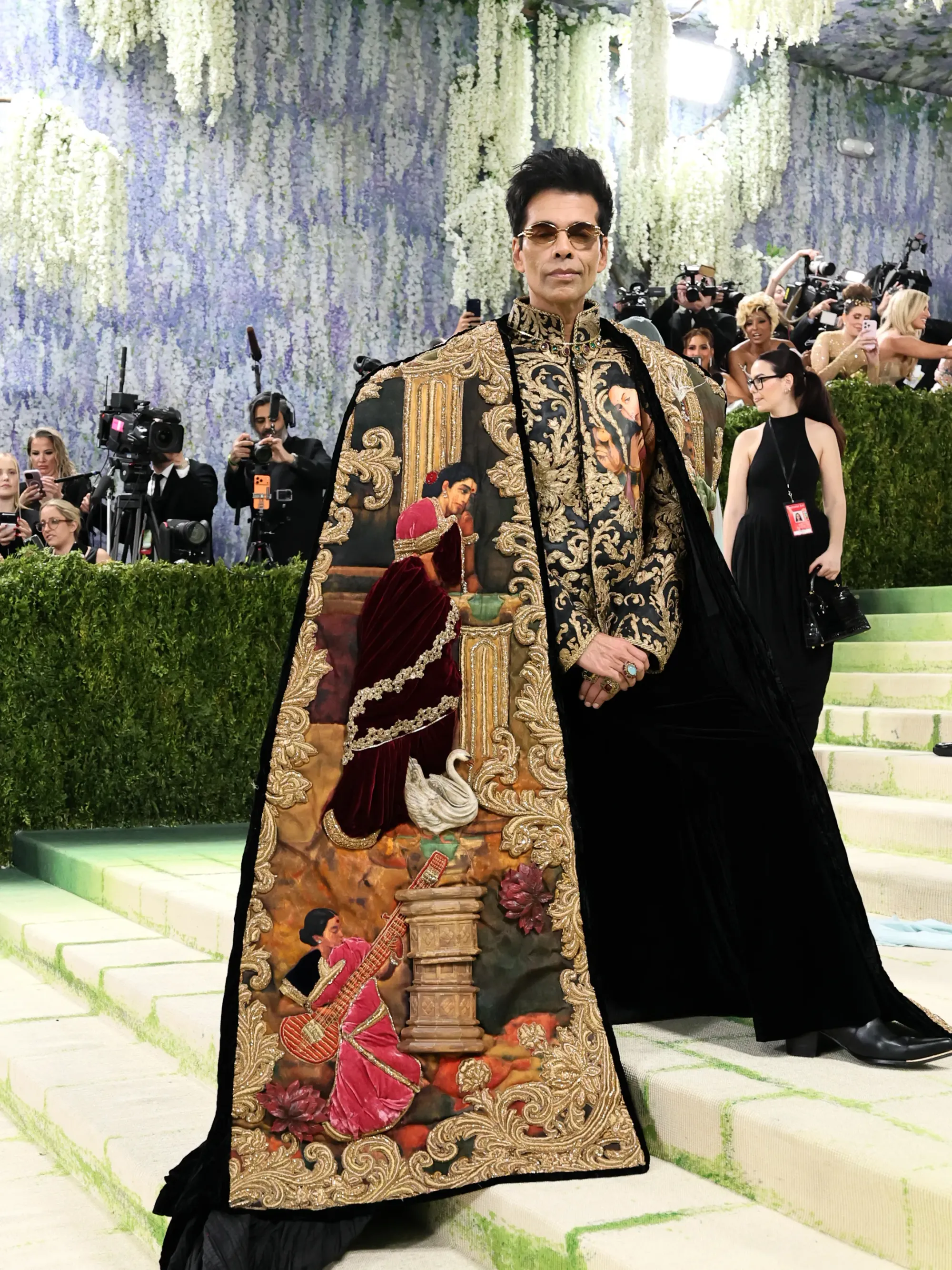
First things first, I need to see the back of this cape! Also, taking the painting and literarily copy pasting it on a cape without any creative imagination is like going to the gym for its AC. Make use of something, literally anything at your disposal. Reference better, put it in layers for someone to decode it, embody the inspiration, maybe?
Create something that makes people think.
3.Isha Ambani
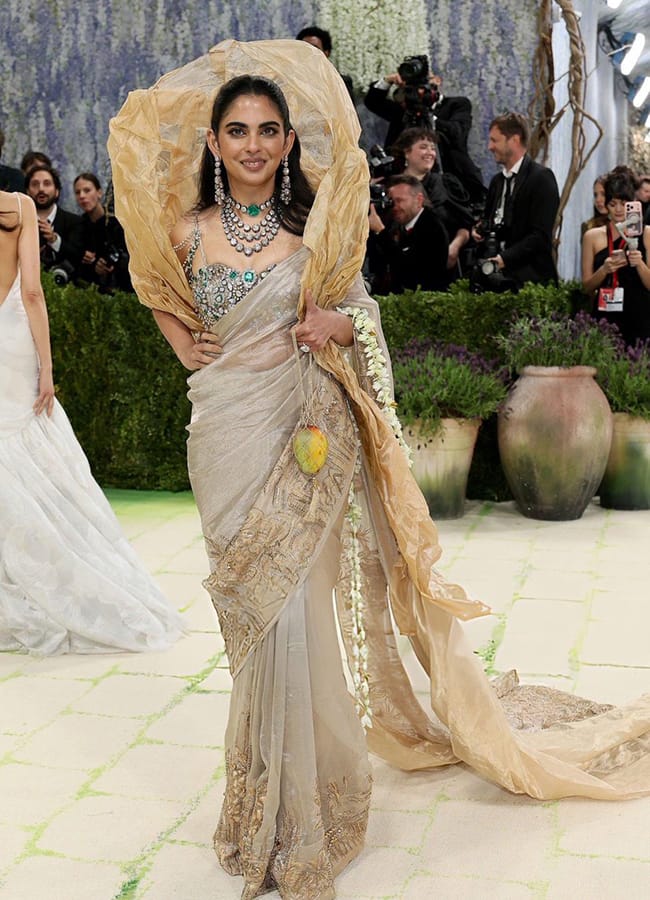
Raja Ravi Verma must be rolling in his grave however interesting that that you chose the lotus painting.
- Sudha Reddy
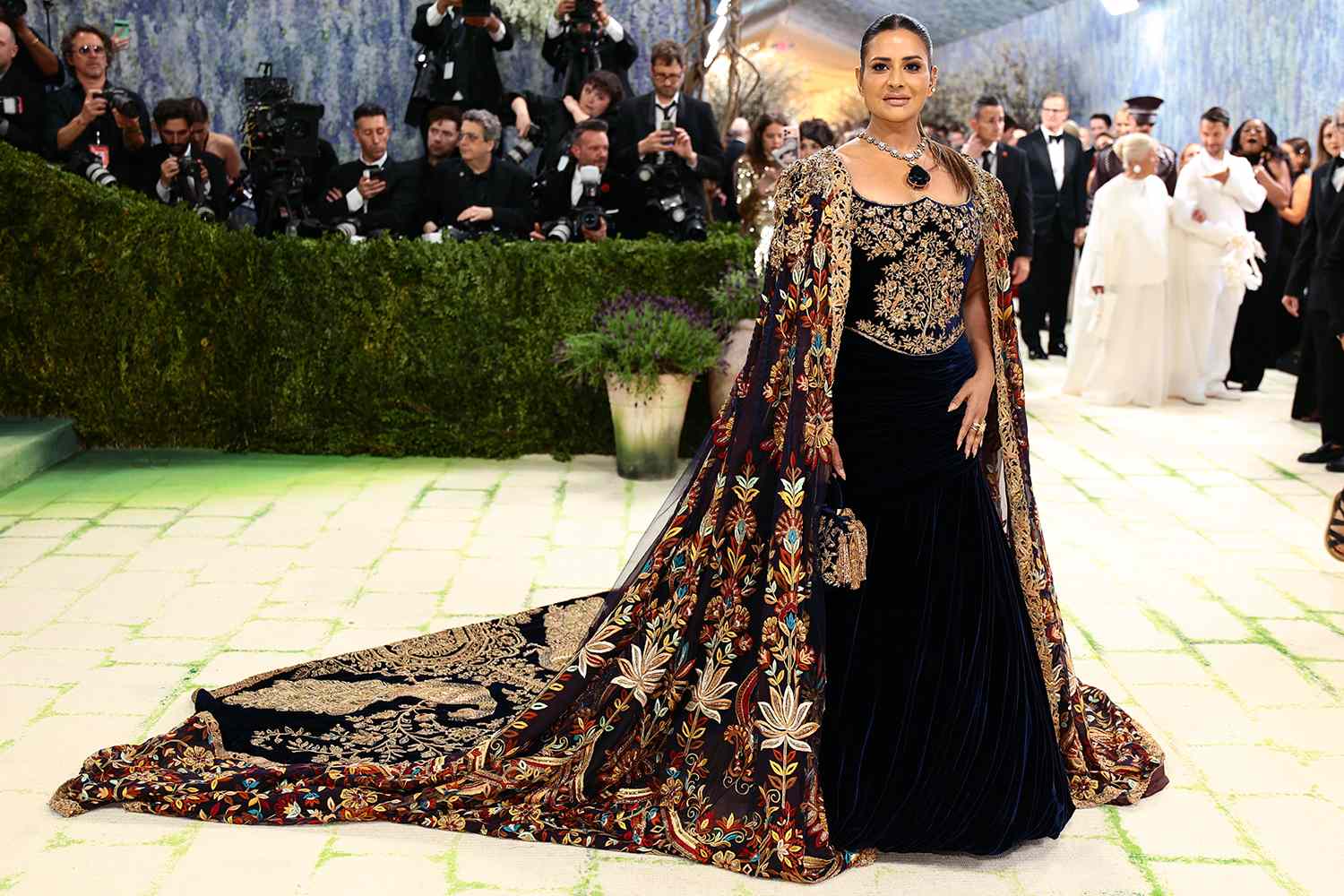
Im not gracing this with an opinion.
- Gaurvi Kumari

Was staying home an option? also Gaytri Devi where?

About the Authors: Smriti Bhoker is an Urdu poet, lyricist, screenwriter, and culture essayist based in Mumbai, India, where she heads a techno record label. With a master's degree in sociology, she brings a deep understanding of culture and society into her creative work. Smriti has published two Urdu books that fall under the genre of political poetry. Smriti’s work often explores themes of identity, language, and social narratives.
Llavi Tyagi carries and juggles four work briefcases, a designer, model, actor, and part-time educator lives in Delhi. He is a romantic who loves to bake & cook and feed his lover and friends. He would love to be a full-time homemaker, but sadly, is a prey of capitalism.
Support the authors :
We're an independent magazine that is finding its footing, and here's how you can help: Shatter the illusion of capitalism with one contribution at a time and consider supporting this writer who made you laugh/cry directly: smriti.bhoker@okaxis and/or tlavi04@okhdfcbank
Comments