

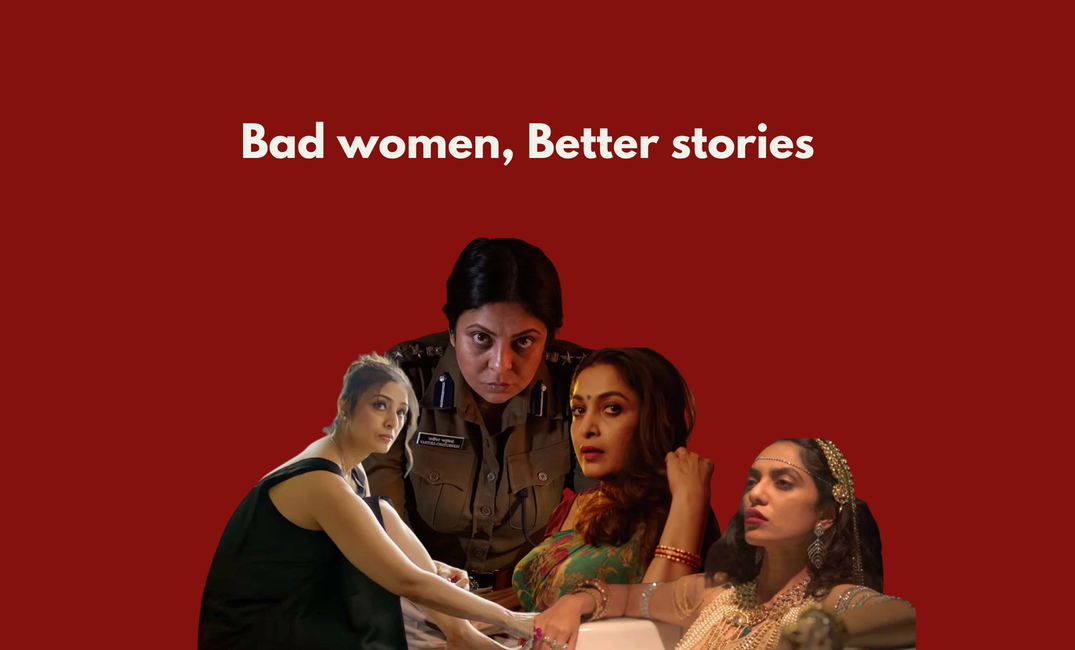
I did my dissertation on “the portrayal of female sexuality in Hindi cinema, with a focus on Indian ‘item songs’ — there were 7 pages dedicated to “Sheila Ki Jawani”, which is a true-blue empowerment anthem. (What a way to bury the lede, Swetha.) Well, I threw this random anecdote in to start this essay only to show how excited I usually am when it comes to the topic of women on screen. I love watching stories about women and their journeys. I love it even more when said women aren’t black and white characters. Give me a Hannah Horvath to chew on any day of the week. And I’ll take a vampy Rekha twice on Sunday.
There was a time when mainstream Indian cinema had a distinct binary when it came to the portrayalof female characters on screen. The Madonna-Slut binary. Virginal demure female leads andslutty-devious vamps. No in-betweens. Think of films like Maine Pyaar Kiya and Jo Jeeta Wohi Sikandar in the ‘80s. Even popular ‘90s films thrived on the good virtuous Indian girl that is every Indian man’s dream. Think Simran from DDLJ. Or Pooja from Dil Toh Pagal Hai. But we’ve come a long way from there and the existence of a character like Komolika on Indian TV screens at the turn of the millennium changed everything. We saw films like Fida and Khakee, where big actresses like Kareena and Aishwarya seemed comfortable playing negative roles.
It’s not all fun and games, though. I have a bone to pick with how Indian pop culture still tends toportray “modern” women or party girls, and what a better example to explain this than Homi Adajania’s Cocktail, a lazy trope to further give weightage to the sanskaari Indian woman. The Indian hero can have as much fun with the Veronicas of the world, but when it comes to falling in love, and settling down, he’ll always choose a churidaar-clad Meera. Thankfully, Indian audiences started to understand nuance by 2012 (or so we hope?), resulting in Deepika Padukone’s character gaining far more popularity.
As a result, we now have an Indian entertainment landscape that thrives on grey characters. Women who lie, cheat, manipulate, enable, destory—and yet, we love them. It would be interesting to note what makes these women flawed and dig deeper into the psychology of their amorality. So, I made a list of some of my favourite female baddies from recent and not-so-recent movies and TV shows. This
list was made with the aim of exploring the rise of morally transgressive Indian female characters. This isn’t about “representation”—that’s honestly boring. This list is about women who claim messy agency, and the shift from victimhood to participation in chaos. These are women who don’t feel guilty about their “flaws” and probably why they’re compartmentalised into the “amoral” category.
Here are my top five:
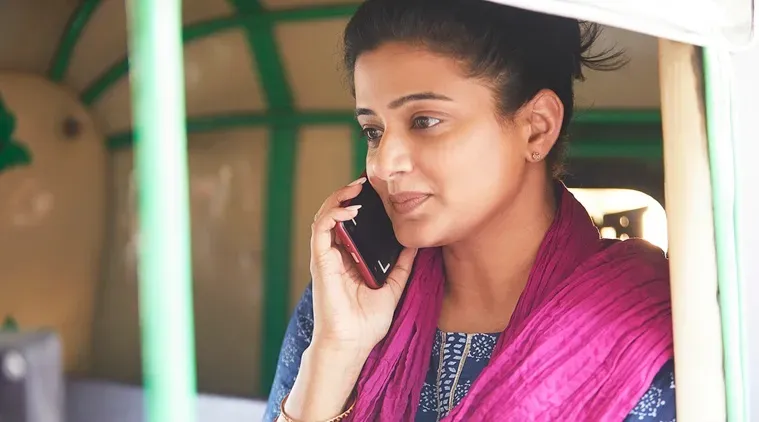
Suchitra Tiwari (Priyamani), The Family Man
We love a woman who takes things into her own hands. In the first season itself (the best season imho), we learn that Suchi (Priyamani) is being neglected by Shrikant, and it leads her to have an affair with Arvind (Sharad Kelkar), who is her colleague. This isn’t exactly a new trope, but what makes it so delicious is the lens with which this affair is presented to us. The narrative isn’t interested in making her a villain. Is infidelity wrong? Yes. But the contextualising is present since the first episode. The season also leaves Suchi and Arvind’s story with a cliffhanger. The nature of their relationship and exactly what transpired between them is left for us to guess.
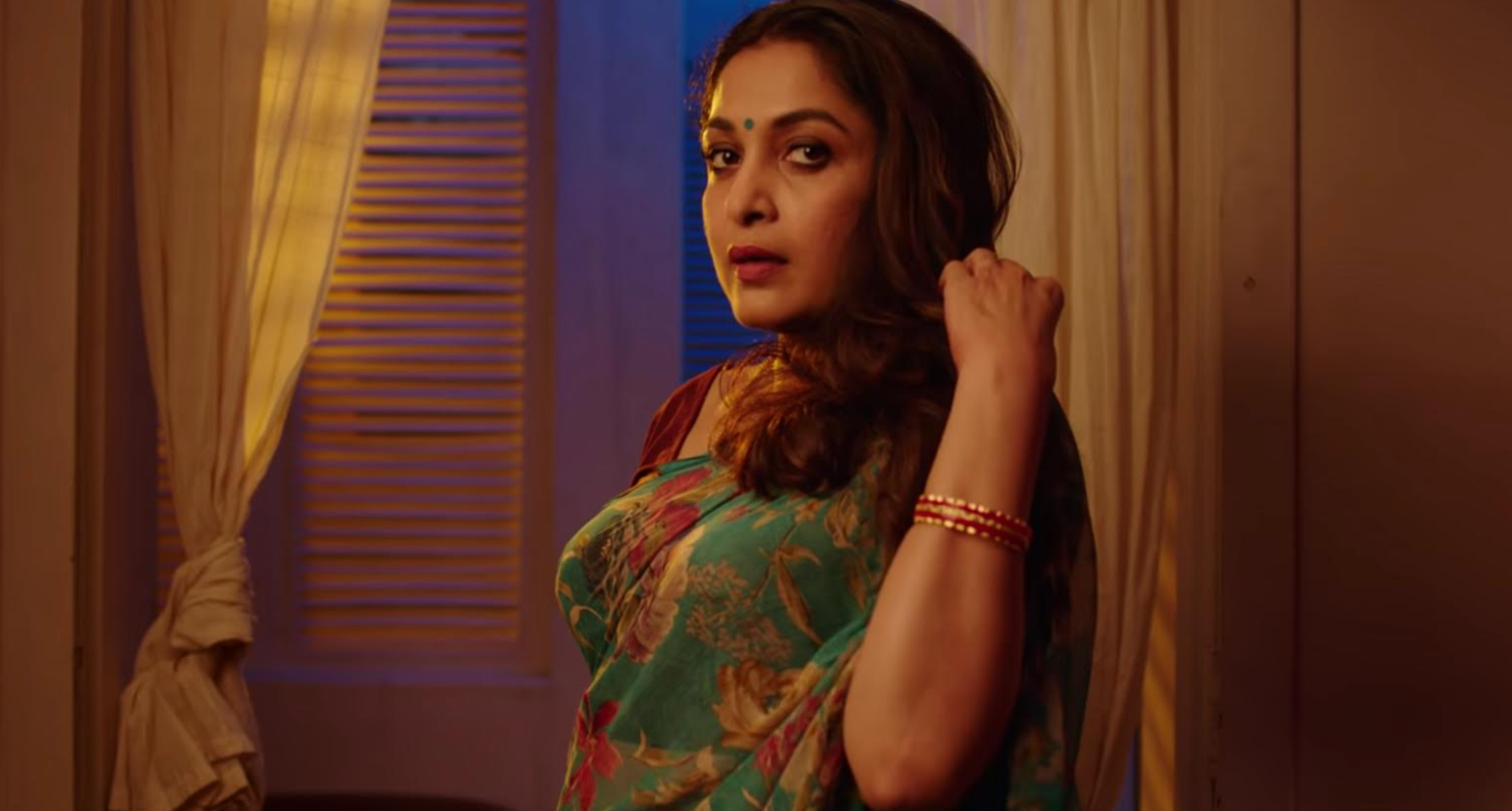
Leela and Vaembu (Ramya Krishnan and Samantha) , Super Deluxe
Both these characters are unapologetically selfish and sexual in a film that was majorly dominated by Vijay Sethupati. Vaembu cheats on her husband, who she was forced into an arranged marriage with, with her ex, who dies mid-sex. She then takes the help of her grumpy husband (a brilliant Fahad Fasil) to dispose of the body, rather matter-of-factly. Props to Vaembu for prioritising, could learn a thing or two from her. Leela has a past with pornography, and her young son finds out on an expedition with his friends. Leela’s story meanders into many different directions after this revelation, but her “shady” past isn’t given the sensationalist take that most mainstream films usually thrive in. The women are given full arcs, and agency that allows them to rise above their so-called “flaws”.
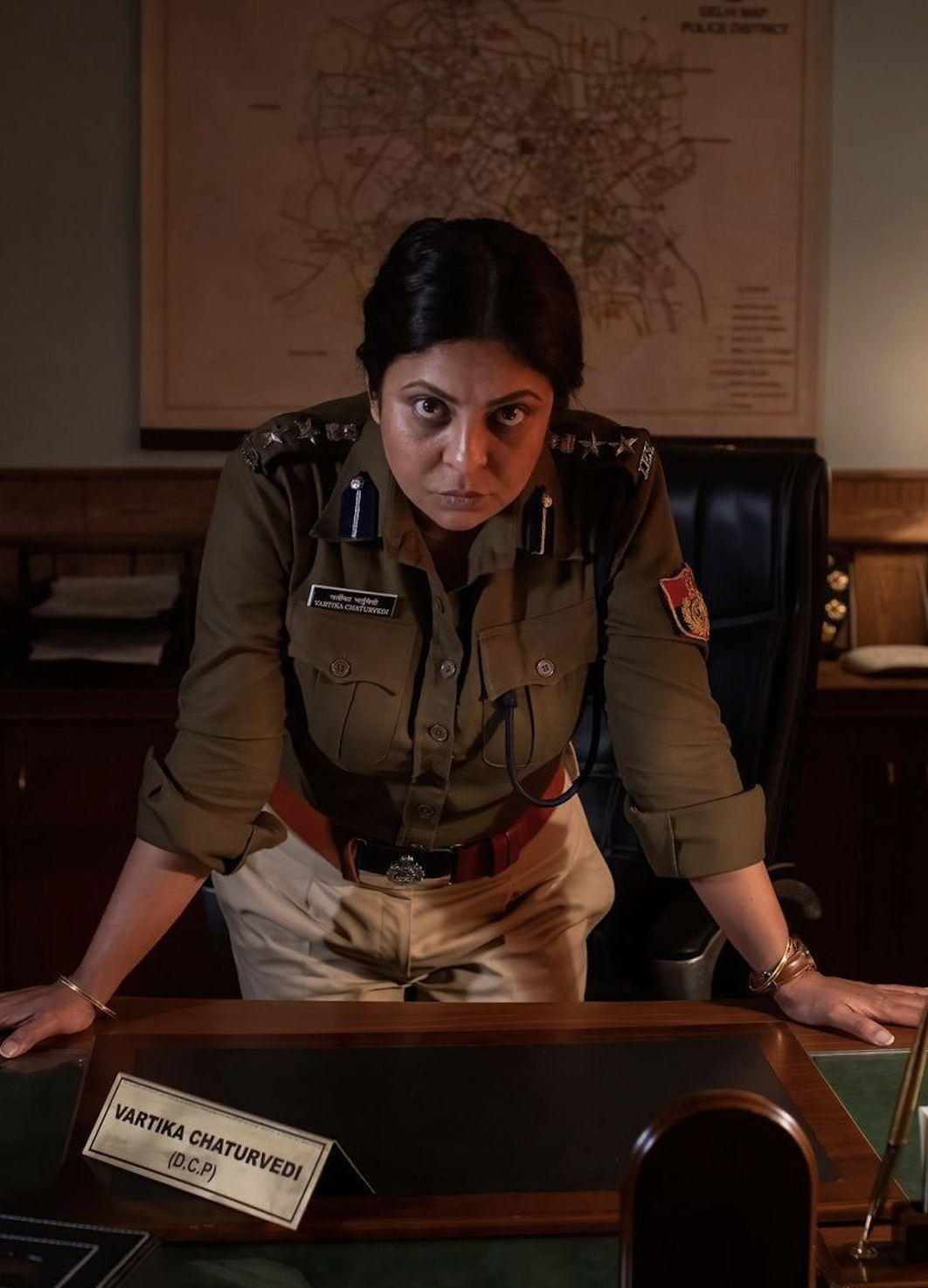
DCP Vartika Chaturvedi (Shefali Shah), Delhi Crime
Often, when we attribute characteristics of agency and empowerment with women, they’re mirroring a man. Female cops are one such example, adorning hardened, solution-oriented, avoidant personalities. A mimicking of masculinity allows society to view them as “successful”, and there’s no better proof of this than the character of DCP Vartika Chaturvedi in Netflix series, Delhi Crime. Or as the people around her call her, “madam sir”. She’s very much entrenched in the toxic, classist and misogynistic system that caused a horrendous crime like the Delhi 2016 gangrape case. When the show begins, she justifies the Delhi Police in subtle ways. “We’re just doing our jobs” or “Do you have a better solution?” — but as the episodes pass, you can sense an apologetic tone coming in. She’s learning as she goes. She softens as she speaks to her daughter, Chandni (Yashaswini Dayama), who becomes a mirror of the public that questions the safety of the city and shows frustration at the lack of it. I love that Vartika is allowed this arc.
Tara Khanna (Shobita Dhulipala), Made in Heaven
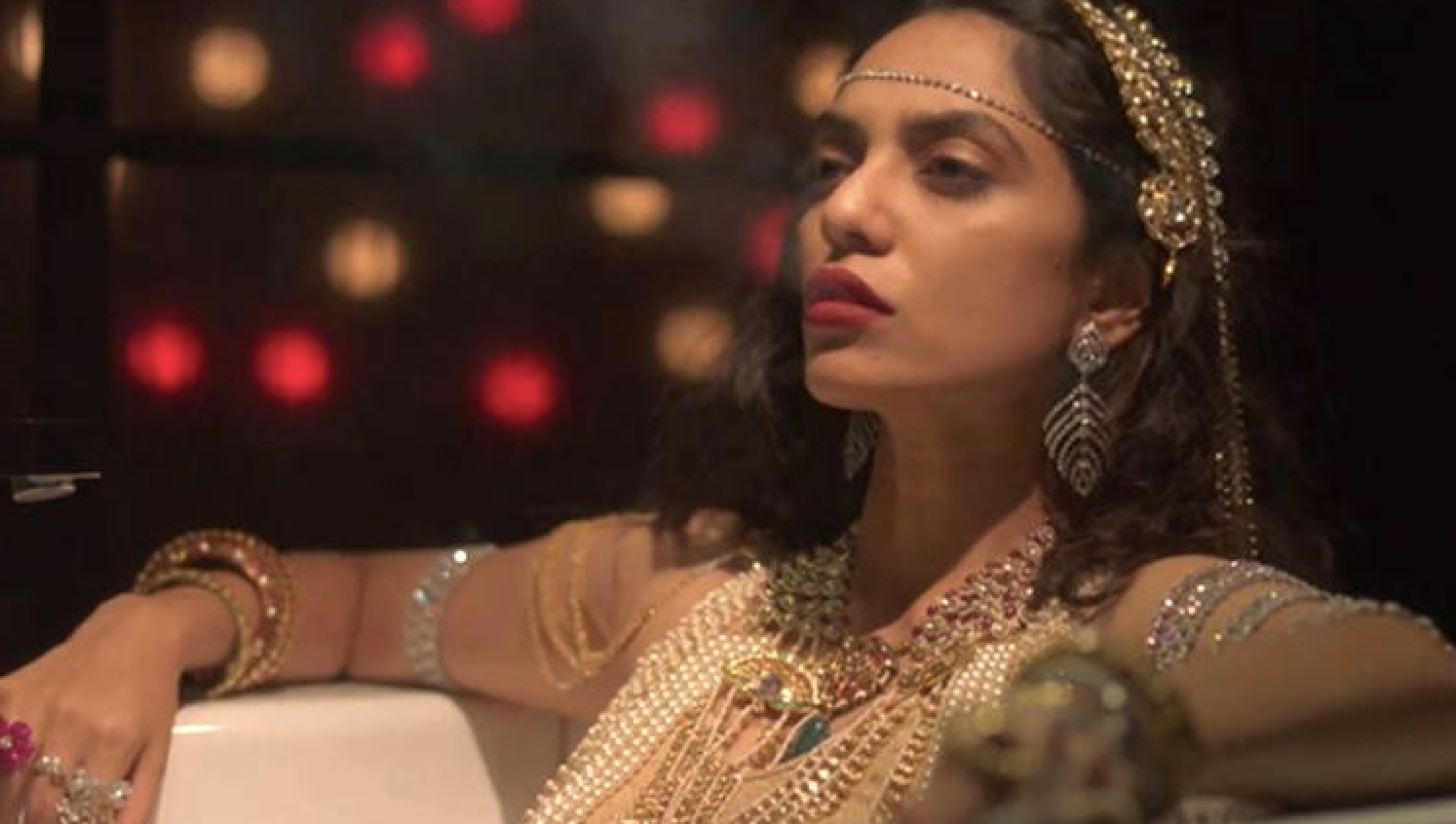
Sometimes when I hear an insecure nobody in a workplace saying “she probably slept her way to the top” I wonder, so what? If a smart woman understands her sexuality can get her to great heights of success, who are any of us to judge her? This reminds me of Tara Khanna from Made in Heaven, a woman with ambitions and a keen understanding of how the elite 1% function. Her weapons are her
sexuality, her chameleon-type personality and a femme fatale attitude.. She’s playing a role when she’s with her husband, her in-laws, with the many blingy society members that come in and out of her palatial Sainik Farms home in Delhi. But she’s her true self with her best friend Karan (Arjun Mathur), and together they build a stellar wedding/events business, battling several seedy clients and
always choosing the right path.
Simi (Tabu), Andhadhun
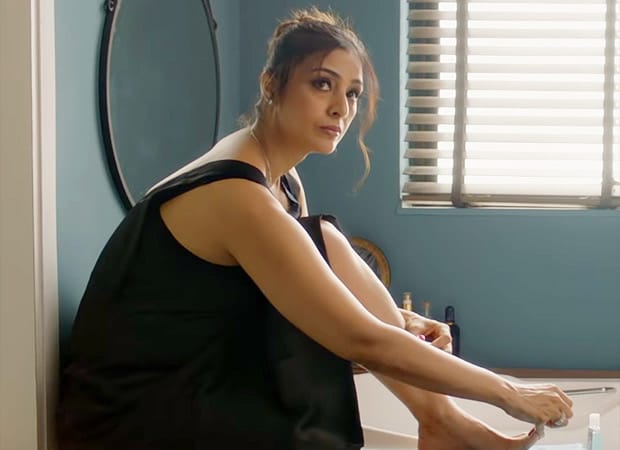
Simi is #goals, and anyone who’s seen Andhudhun and doesn’t agree with me, is probably living a vanilla life. Her amorality is so delicious, and wrapped in so much irreverent humour that nothing about her actions—from murder to manipulation—seems evil. The cherry on the cake is that an actor
like Tabu plays her to absolute perfection: the weaponising of her femininity, her affinity for chaos, her ability to turn a situation around by just being present in it, the survival-betrayal binary. I love when filmmakers write female antagonists with humour because the tongue-in-cheek nature of such characters is exactly what makes them so addictive to watch.
About the author :
Swetha Ramakrishnan is a journalist, creative consultant, and screenwriter with over 13 years of experience across media, entertainment, and content strategy. Having worked extensively in film journalism and narrative development, she brings a storyteller's perspective to both editorial and creative work. Her interests lie in genre cinema, particularly horror, and in exploring the cultural forces that shape the stories that are told and the audiences who embrace them.
Support the author :
We're an independent magazine that is finding its footing and here's how you can help- Shatter the illusion of capitalism with one contribution at a time and consider supporting this writer who made you laugh/cry directly : swetha.ramakrishnan11@okicici
Comments